How to Care for a Bespoke Suit in Kuala Lumpur's Tropical Climate
A practical care guide for bespoke and quality suits in Kuala Lumpur's heat and humidity. Storage, brushing, steaming, and travel survival tips.
A bespoke suit is the most personal investment a professional makes in their working wardrobe. The cloth, the canvas, the hours on the bench, all of it adds up to something genuinely irreplaceable. The question of whether that investment lasts three years or thirty has very little to do with the original quality and almost everything to do with how you care for the garment between wears.
Kuala Lumpur makes the question harder. Our humidity sits at 80 to 90 percent year round, our wardrobes battle low-grade mildew, and the daily cycle between aircond and outdoor heat creates conditions that almost no European suit care guide accounts for. After twenty-two years on the bench and thousands of garments passed through our atelier, here is what actually works in this climate.
Why the Tropics Demand a Different Care Routine
A wool jacket built for London or Tokyo expects a temperate environment with low ambient humidity. The same jacket living in a Mont Kiara wardrobe is exposed to constant moisture, occasional flash floods, and dust from the monsoon winds. Without the right routine, even a Holland & Sherry commission will lose its drape and develop mildew on the lining within a single year.
The good news is that the routine is not complicated. It just requires consistency.
The First Rule: Rotation, Always
We tell every Kuala Lumpur client the same thing on delivery day. Never wear the same suit two days in a row. Wool fibres function like microscopic springs, and they need 24 to 48 hours to relax back to their original shape after a day of being stretched, compressed, and exposed to body moisture.
In KL, we extend this rule slightly. Because our humidity is so high, the garment also needs that downtime to fully release the moisture it absorbed during wear. A rotation of three to four suits is the minimum for any professional working a five-day week.
Hangers: The Single Most Common Mistake

We have seen exquisite suits ruined by RM 5 wire hangers. The shoulder line of a jacket is its most fragile structural element, and a narrow hanger will collapse the canvas within months.
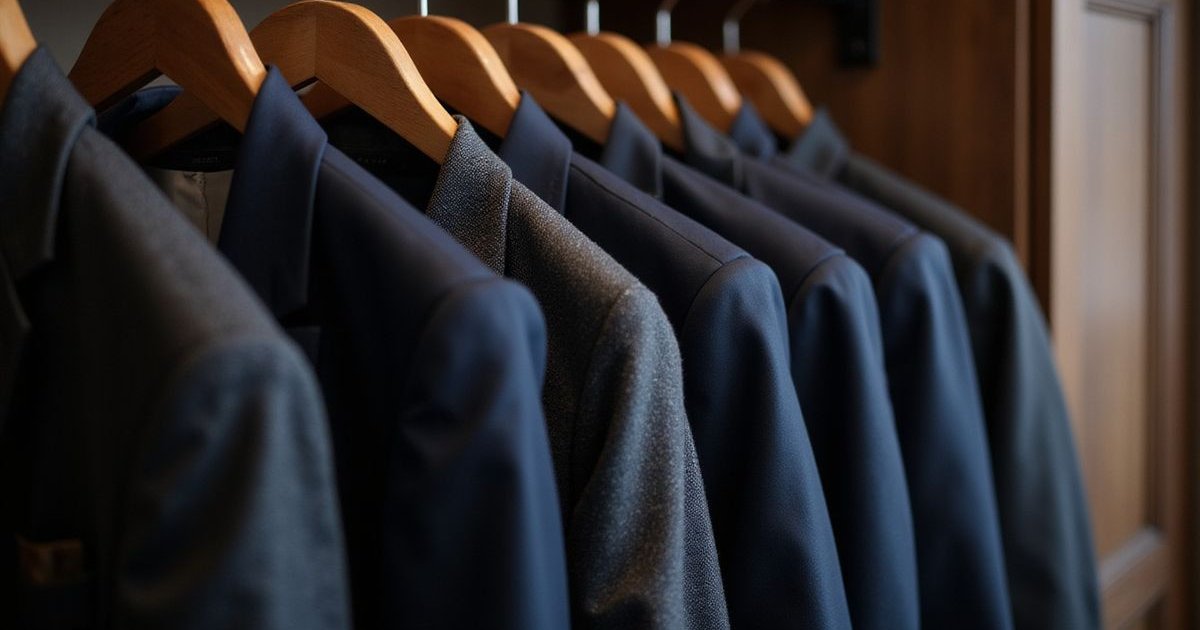
The right hanger is wide-shouldered, contoured, and made of solid wood. We recommend a flare of at least 5 to 6 cm at each shoulder, with a flocked or felted trouser bar that grips without creasing. Quality hangers are widely available at Pavilion KL and through specialist menswear shops in Bangsar.
While we are talking about hangers, two more habits matter:
Empty your pockets immediately. Phones, wallets, keys, and even pens distort the cloth and stretch the lining permanently if left in place overnight.
Hang trousers from the cuff with the crease aligned. Or fold them along the natural crease over a felted bar. Never crumple them across the bottom of the wardrobe.
The Tropical Wardrobe Setup
This is the section most temperate climate guides skip entirely.
A Kuala Lumpur wardrobe needs airflow. Pack your suits too tightly together and they will trap moisture, which leads to mildew along the canvas and dark staining inside the lining. Leave at least 5 cm between hangers.
Run a small dehumidifier in the wardrobe space if you can, particularly during the November to March monsoon. Silica gel packs help in smaller wardrobes. Camphor blocks discourage moths but need replacing every two to three months as they evaporate quickly in the heat.
Avoid storing suits in plastic dry-cleaning bags. Plastic traps humidity and accelerates yellowing. Use breathable cotton or canvas garment bags instead.
Brushing: A Thirty Second Habit That Changes Everything
A natural-bristle clothes brush is the single most underrated tool in a professional’s wardrobe. The fibres of a quality boar-bristle brush are firm enough to lift dust and grit from the cloth surface, but soft enough not to disturb the fine wool fibres beneath.
Run through this routine after every wear:
- Hang the jacket on a wide-shouldered hanger.
- Brush against the nap (upward) first to loosen any embedded debris.
- Brush back down with the nap to smooth the fibres.
- Pay extra attention to the collar, where sweat and humidity concentrate fastest in our climate.
Thirty seconds. Done daily, this routine alone will roughly double the time between dry cleanings.
Spot Cleaning Without Damage
KL is a city where you will, sooner or later, get a splash of teh tarik down a lapel or a drop of rendang gravy on a trouser leg. The instinct is to scrub. Resist it.
Wool felting happens when fibres are agitated while wet. Once felted, the damage is permanent. Always blot, never rub, and work from the outside of the stain inward to avoid spreading.
For oil-based stains, do not attempt home treatment. Bring the garment to us or to a trusted dry cleaner immediately, and tell them exactly what the stain is.
Dry Cleaning: Less Is Always More
The greatest single threat to a quality suit is over-cleaning. The solvents used by most commercial dry cleaners strip the natural lanolin from wool, leaving it brittle. The hot pressing flattens the nap and creates the dreaded “shine” that no amount of subsequent care will reverse.
For Kuala Lumpur clients, we recommend dry cleaning a working suit no more than twice a year, even with regular wear. Most cleaning needs can be handled by airing the suit overnight, brushing, and gentle steaming.
When you do need dry cleaning, choose a specialist who works with wool suits regularly. Ask for the “clean only, no press” option and bring the garment back to us for the press if needed. We use controlled steam pressing techniques specifically calibrated for tropical-weight wools.
Steam, Never an Iron
A direct iron on a wool suit, especially a half-canvas tropical weight, will permanently damage the cloth at the first touch. Use steam instead.
A handheld garment steamer is sufficient. Hang the garment, hold the steamer head two to three centimetres away from the cloth, and let gravity pull the wrinkles down. Never press the head into the wool.
A surprising tropical hack: hang the suit in your bathroom while you take a hot shower in the morning. The ambient steam relaxes overnight wrinkles without any equipment at all.
Seasonal Storage and the Monsoon Threat

Even in Kuala Lumpur, where there are no real seasons, you may have suits that go unworn for months at a time. The November to March monsoon presents the highest mildew risk of the year.
Before any long storage, the rule is simple: clean first. Even invisible body oils attract pests and breed bacteria over time.
Store cleaned garments in breathable cotton bags, in a wardrobe with good airflow, ideally with a small dehumidifier or silica desiccant inside. Check on the suits every six to eight weeks to inspect for any sign of mildew or discolouration. Catching a problem early is the difference between a quick brush-down and a full lining replacement.
Travel Care for the KL Professional
If you travel often between KL, Singapore, Hong Kong, and London, your suits will spend a lot of time in luggage. A few habits make a real difference.
The shoulder-fold technique. Turn one half of the jacket inside out and slip the other shoulder inside it. This protects the structure when packed.
Use a proper carry-on garment bag. Most flights from KLIA will allow you to hang a garment bag in the cabin closet if you ask politely.
Hotel-room steam. Hang the suit in the bathroom during a hot shower on arrival. By the time you finish, the worst travel creases will have relaxed out.
When to Bring It Back to the Bench
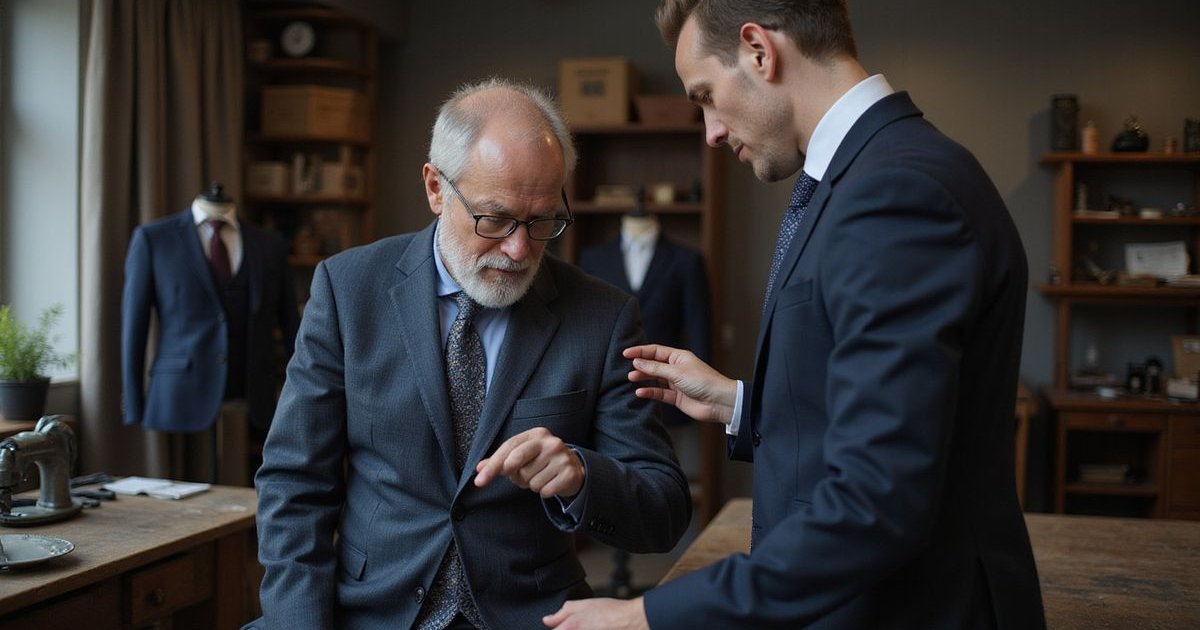
A bespoke suit is not a static object. Your body changes, the cloth softens, buttons loosen, linings wear. Every commission we deliver comes with the understanding that you can return any time for a check-up.
We rebuild loose buttons, repair small holes, restore lapel rolls, and tighten linings as needed. We also handle alterations when your weight changes or your posture shifts. The atelier exists to keep your wardrobe alive for the long run.
The Reward of Care
A well-maintained bespoke suit develops a quiet character that no new garment can match. The canvas conforms to your body. The cloth softens at the points of natural stress. The lapel learns its own roll. Over years of careful wear, the suit becomes uniquely yours in a way nothing off-the-rack ever can.
That longevity is the true value of investing in proper tailoring in Kuala Lumpur. ONE Exclusive Tailor builds suits intended to live for decades. We are always happy to advise on care, no matter where the suit was originally made. Get in touch at the Sungei Wang studio with any questions about caring for your investment, and we will help you keep it sharp through the toughest KL afternoons.
Vincent Cheah
Master tailor with Savile Row Academy training. Vincent brings over a decade of bespoke craftsmanship to every garment.