Bespoke or Made-to-Measure: Which One Actually Earns Its Price in Kuala Lumpur?
A working professional's guide to the real difference between bespoke and made-to-measure tailoring in Kuala Lumpur, with structural and climate-led answers.
The words “custom” and “hand-tailored” get used carelessly across the Klang Valley. Walk into ten different shops along Jalan Sultan Ismail and you will hear ten different definitions, most of them designed to obscure rather than inform. The result is a quietly frustrated client base who paid for one thing and received another.
At ONE Exclusive Tailor we have this conversation almost every week. A new client arrives at the Sungei Wang studio carrying a suit they were promised was “fully custom,” only to discover it was a digital made-to-measure block with their measurements layered on top. The fit is acceptable. The construction is fused. The story they were sold did not match what they took home.
So let us settle the question properly, with a focus on what actually matters in Kuala Lumpur’s climate and professional environment.
What “Made-to-Measure” Really Means
Made-to-measure (MTM) starts with a pre-existing block pattern, which is essentially a digital template designed for an average body within a specific range. Your measurements modify that block within tolerances set by the software. Think of it as buying a serviced apartment in Mont Kiara where you can repaint and rearrange the furniture, but the load-bearing walls were poured before you moved in.
For a large segment of clients, MTM is a perfectly reasonable answer. If your proportions sit close to the standard block and your only concerns are sleeve length, jacket length, and waist suppression, the result will be a noticeable upgrade over anything you can buy ready-to-wear.
The limitations only appear when your body deviates meaningfully from the average:
- Asymmetric shoulders, common in anyone who has spent decades carrying a bag on one side.
- Forward head and rounded posture from desk work, the trademark of the KL banker who lives between Tun Razak Exchange and Mid Valley.
- Athletic legs and thighs that overwhelm the digital block’s tapering rules.
In each of these cases, the software can only stretch and shrink so far before the pattern breaks down.
The Tropical Climate Adds a Hidden Variable
Most made-to-measure programs run out of Malaysia rely on overseas factories that cut and finish their garments thousands of kilometres away. The cloth selection is often constrained by what those factories warehouse, which leans toward heavier worsted wools that suit European seasons rather than Kuala Lumpur’s 33 degree, 90 percent humidity reality.
A truly bespoke commission gives you control over weight, weave, lining choice, and canvas height. We routinely build half-canvas, half-lined jackets in 7 to 8 ounce Frescos that breathe through a Bukit Bintang afternoon. That option simply does not exist in most MTM catalogues.
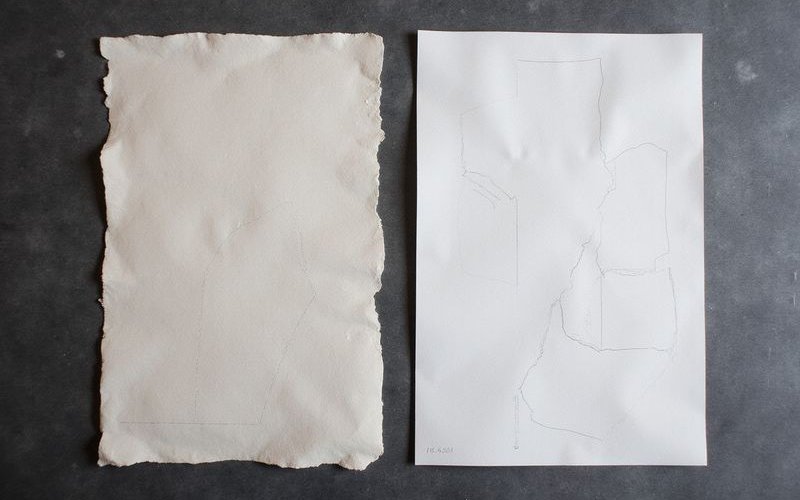
What True Bespoke Looks Like on the Bench
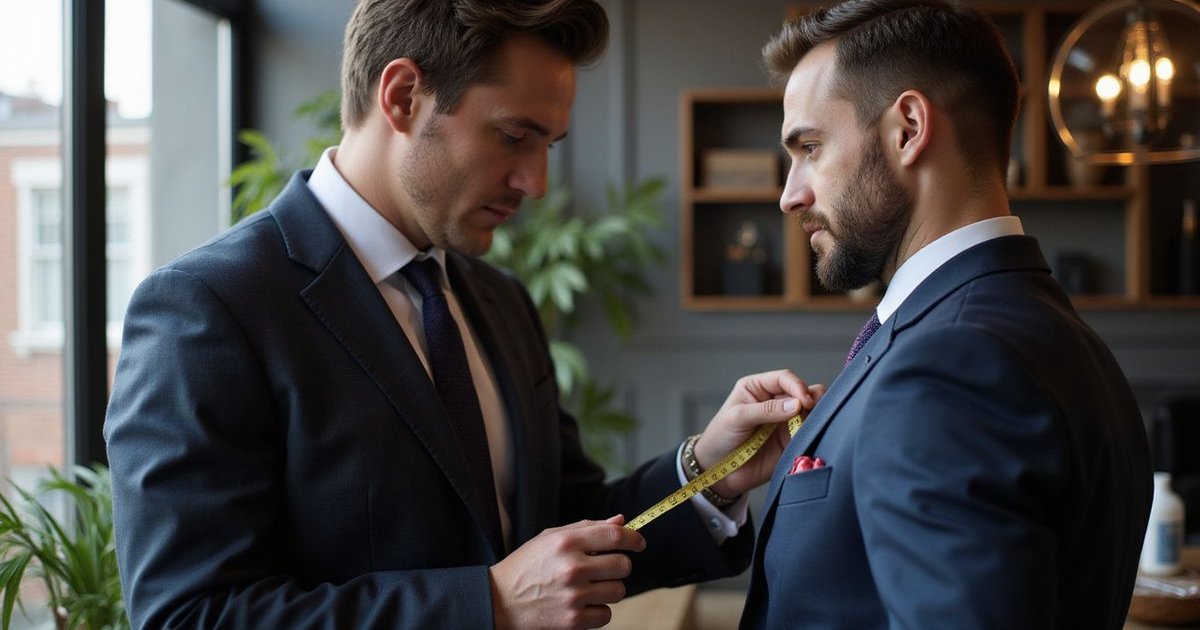
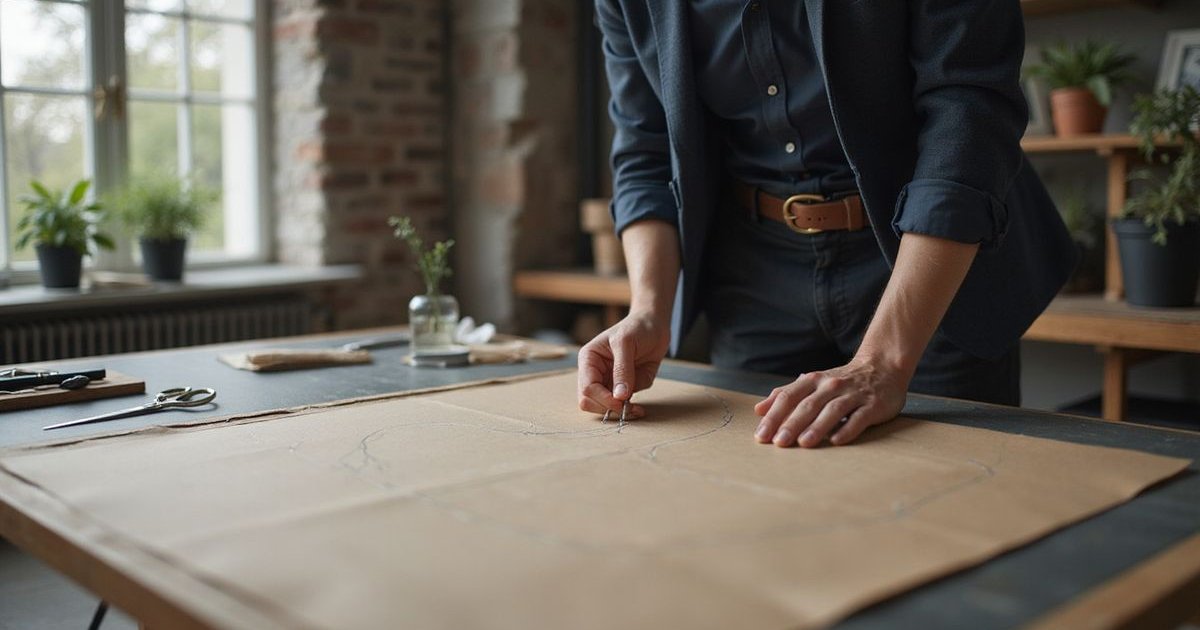
Bespoke begins with a blank sheet of paper and a hand-drafted pattern unique to your body. We take more than thirty measurements, but the numbers are the easy part. The real work is observational: how you stand at rest, where the dominant arm sits, how your spine curves, how the shoulders slope.
From that pattern we cut the cloth by hand and build the jacket around a full floating horsehair canvas. The canvas is hand-padded into the chest and lapel, and over time it actually moulds to your body with heat and movement. There is no fusing, no glue, no shortcuts.
This is the construction style Vincent learned during his Savile Row Academy training and refined over twenty-two years on the bench, and it is the same standard practised in the great houses of London, Naples, and Milan.
Structure: Where the Quality Gap Becomes Obvious
Made-to-measure suits coming out of factories almost always use fused construction. A heat-activated adhesive bonds the interlining to the wool. It looks crisp in the showroom, but in Kuala Lumpur’s humidity and across years of dry-cleaning the glue degrades and “bubbles.” The chest goes lumpy. The lapel loses its roll. We see this constantly in suits clients bring in for repair.
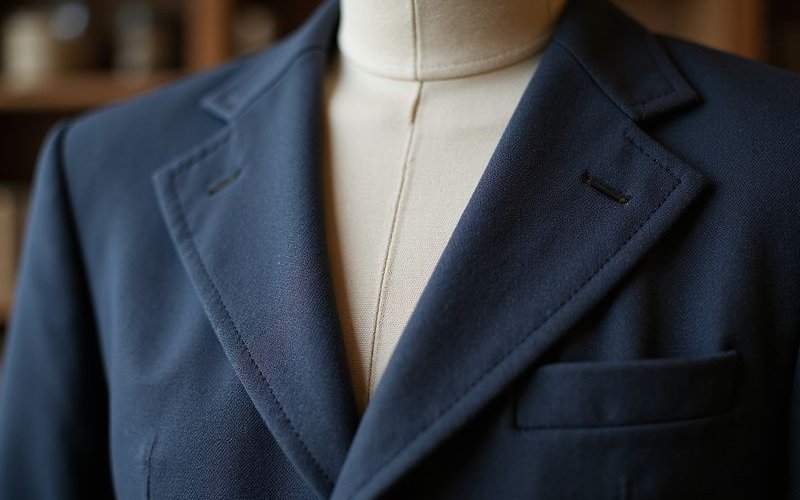
A full floating canvas does the opposite. It breathes, it adapts to your body, and a well-made example will outlast the cloth itself. We have repaired commissions from the early days of our atelier that are still in active rotation seven years later.
The Fitting Experience
A made-to-measure shirt or suit usually involves a single measuring session and a final delivery. Any issues are corrected after the fact through standard alterations.
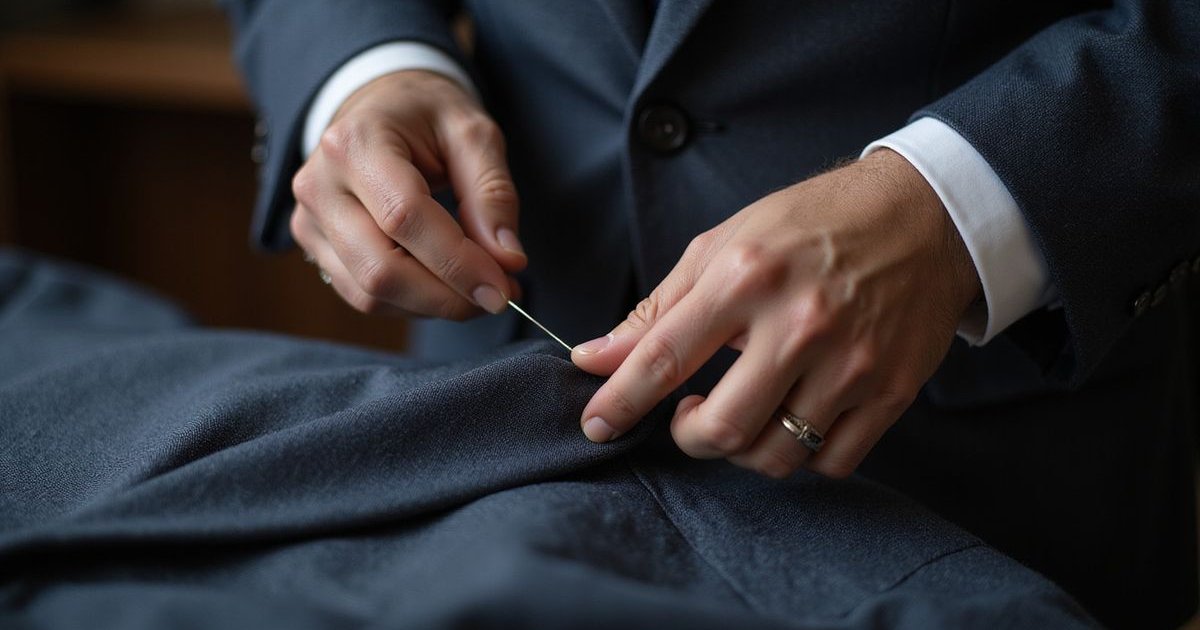
Bespoke uses a basted fitting stage that does not exist in MTM. You return to try on a skeleton version of the jacket held together with white basting thread, with the canvas exposed and the seams open. We can rip seams, rebalance the entire silhouette, and rotate sleeves. By the time the cloth is finished, every structural decision has been validated on your actual body.
Side-by-Side: How They Compare
| Feature | Made-to-Measure (MTM) | True Bespoke |
|---|---|---|
| Pattern Origin | Standard digital block | Hand-drafted on paper |
| Average Lead Time | 4 to 6 weeks | 6 to 10 weeks |
| Number of Fittings | 1, plus alterations | 2 to 3 basted fittings |
| Internal Structure | Fused or partially canvassed | Full floating horsehair canvas |
| Climate Tuning | Limited cloth options | Full control over cloth, weight, lining |
| Lifespan | 3 to 7 years | 15 to 25 years with care |
When MTM Is the Right Choice
Made-to-measure is the right answer when you need a wedding suit in three weeks, when your body sits comfortably within the standard block, or when you are building the very first foundation of a working wardrobe and want three suits at the price of one bespoke commission. There is no shame in choosing it. A high-quality MTM commission from a reputable mill will outperform almost anything you can grab off a department store rack.
When Bespoke Becomes the Smarter Investment
Bespoke earns its price when your body demands structural attention, when you intend to keep the garment for a decade or more, or when the climate-specific construction matters to you. For senior executives who spend their working days walking between Petronas Twin Towers, Menara Maybank, and the Mandarin Oriental, the daily comfort difference is genuinely meaningful.
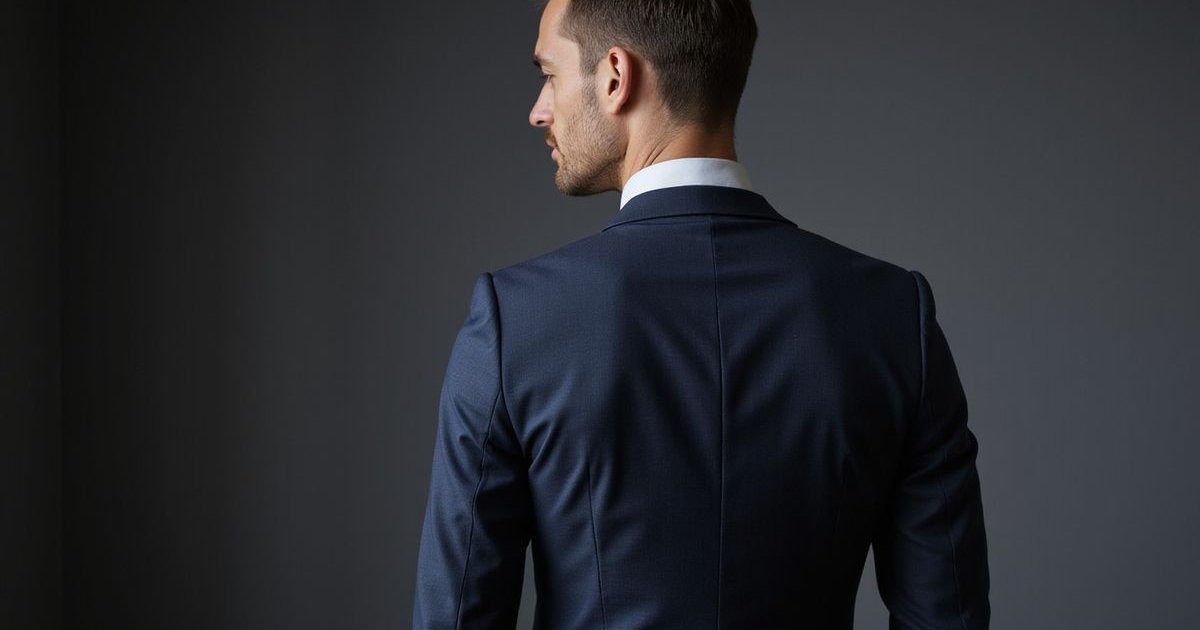
It also matters for clients with hard-to-fit physiques. Athletic shoulders, prominent chest, asymmetric posture, or anything else that the digital block cannot handle. A bespoke pattern accounts for it without any of the compromise that comes from forcing a standard block in the wrong direction.
How to Tell What You Are Actually Buying
If a Kuala Lumpur tailor promises a “fully bespoke” suit with no basted fitting, you are being sold MTM. If the lead time is two weeks, it is MTM. If they cannot show you a horsehair canvas before you commit, it is fused construction. None of these are scams. They are just different products. The problem only arises when you pay bespoke prices for something that is not bespoke.
A Visit Costs Nothing
If you are weighing the two options, come to the Sungei Wang studio and see the difference in person. We will show you a basted jacket in progress, lay out the canvas, and let you feel the difference between fused and floating construction. From there you can decide honestly which path matches your needs.
Many of our clients eventually choose a full bespoke commission precisely because they came in expecting MTM and saw a real bespoke garment for the first time. Schedule a complimentary consultation and let us walk you through both options. The studio sits on the first floor of Sungei Wang Plaza along Jalan Sultan Ismail and is easy to reach from anywhere in the Klang Valley.
Vincent Cheah
Master tailor with Savile Row Academy training. Vincent brings over a decade of bespoke craftsmanship to every garment.