Altering a Suit After Weight Change: A KL Tailor's Honest Limits
What can and cannot be done when you bring a suit in for alteration after gaining or losing weight, from a Kuala Lumpur master tailor's bench.
It happens to almost every working professional in Kuala Lumpur sooner or later. You pull your favourite suit out of the wardrobe before a meeting at Petronas Twin Towers, slip the trousers on, and discover the waistband is suddenly tight. Or the opposite: the jacket hangs off your shoulders like a borrowed garment, the result of three months of disciplined gym work in Mont Kiara.
We see this every week at the Sungei Wang studio. Some clients have lost weight after a health scare or a fitness commitment. Others have added a few inches during a stressful business cycle. Either way, the question is the same. Can my favourite suits be saved, or do I need to start from scratch?
The honest answer is “it depends on the maths, the cloth, and the construction.” Here is the working framework we use at the bench in Bukit Bintang to make that call.
When the Body Has Shrunk: The Reduction Problem
Weight loss is generally easier to deal with than weight gain because we are removing cloth rather than searching for cloth that does not exist. But the engineering still has hard limits.

The Two-Inch Reality
The most common reduction is taking in the jacket through the side seams. The realistic safe maximum is 2 inches (around 5 cm) of total circumference reduction at the waist. Push beyond this and the side pockets begin to migrate towards the back of the jacket, the balance line distorts, and the front quarters no longer hang properly.
We have rebuilt jackets for clients who insisted on going further. The result is rarely worth it.
Trouser Waistband: The Easiest Win
Reducing a trouser waist at the centre back seam is one of the most reliable alterations we perform. A reduction of 1.5 to 2 inches is straightforward. Beyond around 3 inches, we have to recut the waistband entirely, removing pockets and reshaping the seat. This works on quality trousers with proper inlays, and runs around RM 150 to RM 280 at our bench.
Tapering the Leg
Modern silhouettes favour a cleaner trouser line. If your legs have slimmed, we can taper the inseam from knee to hem. The trick is keeping the hem opening proportional to the rest of the leg, otherwise the trouser starts to look like a riding breech.
Shirt Body Suppression
A high-value alteration we recommend often. A custom shirt or a quality off-the-rack one can be darted or taken in through the side seams to remove billowing cloth at the waist. In KL’s humidity, removing that excess cloth also helps the shirt breathe properly rather than trapping heat against the body.
Where Reduction Hits a Wall
Shoulder width. The shoulder is the architectural anchor of the entire jacket. Narrowing it requires unpicking the sleeve, the canvas, and the collar, then reassembling everything by hand. The labour cost (typically RM 500 to RM 800) is high, the result is rarely seamless, and we usually advise against it.
Jacket length. Shortening more than one centimetre throws off the button stance and pocket positions. Lengthening is essentially impossible.
Sleeve pitch after posture change. Significant weight loss often shifts your posture. If the sleeves now hang at the wrong angle, fixing them requires rotating the entire sleeve in the armhole, which is delicate surgery.
When the Body Has Grown: The Expansion Problem
Letting a suit out is harder than taking it in, because you are dependent on what the original maker left behind in the seams.

Inspecting the Inlays
The first thing we do at the bench is open the lining and check the inlays, the extra cloth folded inside the seams for future adjustment. Premium Italian houses and any properly built bespoke garment leave generous inlays specifically for this moment. Mass-market jackets bought from a Pavilion KL boutique often leave nothing.
When inlays exist, we can typically expand the chest and waist by around 1 to 1.5 inches through the side seams. When they do not, the alteration is impossible without distorting the cloth.
Trouser Waistband Expansion
Quality trousers usually have between 1 and 1.5 inches of cloth in the back centre seam. We can let this out cleanly. Beyond that, we have to restructure the waistband entirely, which is only worth it on a high-quality garment.
The Ghost Stitch Problem
Even when there is enough cloth to let out, the original seam may have left a permanent fold mark. Dark navy and charcoal worsteds are notorious for showing these “ghost stitch” lines under sunlight, particularly the harsh midday sun that hits anyone walking between Sungei Wang Plaza and Bukit Bintang LRT.
We always check for this before quoting. If the ghost line will show, we tell you upfront.
What Cannot Be Done
Significant chest expansion. The chest piece, the canvas, and the lapel construction are all built into a fixed structure. Trying to widen them creates the dreaded “X” creases across the buttoning point and ruins the drape.
Shoulder expansion. Cloth that does not exist cannot be conjured. If the jacket is tight across the upper back, it is finished.
Major recutting on fused suits. Mass-market jackets built with fused canvas (glued interlining) cannot be properly altered. The glue restricts the cloth and the seams pucker. We see this constantly on suits brought in from low-cost commissions and fast fashion stores.
The Four Questions We Ask Before Quoting
Every garment that comes in for a weight-change alteration goes through the same diagnostic at our bench.
How Much Has the Body Actually Changed?
Alterations are realistically viable for changes of around 5 to 7 kilograms (roughly 10 to 15 pounds). Beyond that, the geometry of your body has shifted enough that a standard alteration cannot truly fix the fit.
Where Did the Change Happen?
Weight gained or lost in the midsection is usually fixable. Changes to the shoulders, neck, or thighs are much harder, because those are areas of structural complexity in any tailored garment.
How Was the Suit Built?
A fully canvassed bespoke or premium suit (anything starting around RM 5,000) is built to be altered. A fused or low-cost commission usually cannot survive significant intervention. We can tell within thirty seconds of opening the lining.
What Condition Is the Cloth In?
We hold the trousers up to the natural light coming through the studio window and inspect the seat and inner thigh. If the cloth is thinning, shiny, or showing wear from years of KL humidity and dry cleaning, no alteration in the world will rescue it.
Realistic Expectations and Ringgit Costs
I prefer to be blunt about what each scenario actually costs and looks like.
Best case: Quality suit, simple waist taken in by 1.5 inches, excellent cloth condition.
- Result: Suit looks brand new.
- Cost: RM 180 to RM 320.
Moderate case: Jacket sides tapered, trouser waist let out close to inlay maximum.
- Result: Wearable suit, around 90 percent perfect.
- Cost: RM 380 to RM 650.
Difficult case: Shoulders need narrowing, length adjustment required.
- Result: A jacket that fits technically but may look slightly off-balance.
- Cost: RM 700 and above.
Not worth doing: The change is too dramatic, ghost stitch lines show, or the cloth is failing.
- Result: A garment that will undermine your confidence every time you wear it.
Why Bespoke Suits Survive Weight Change Better
This is one of the quieter advantages of investing in proper tailoring at our bench rather than buying off the rack.
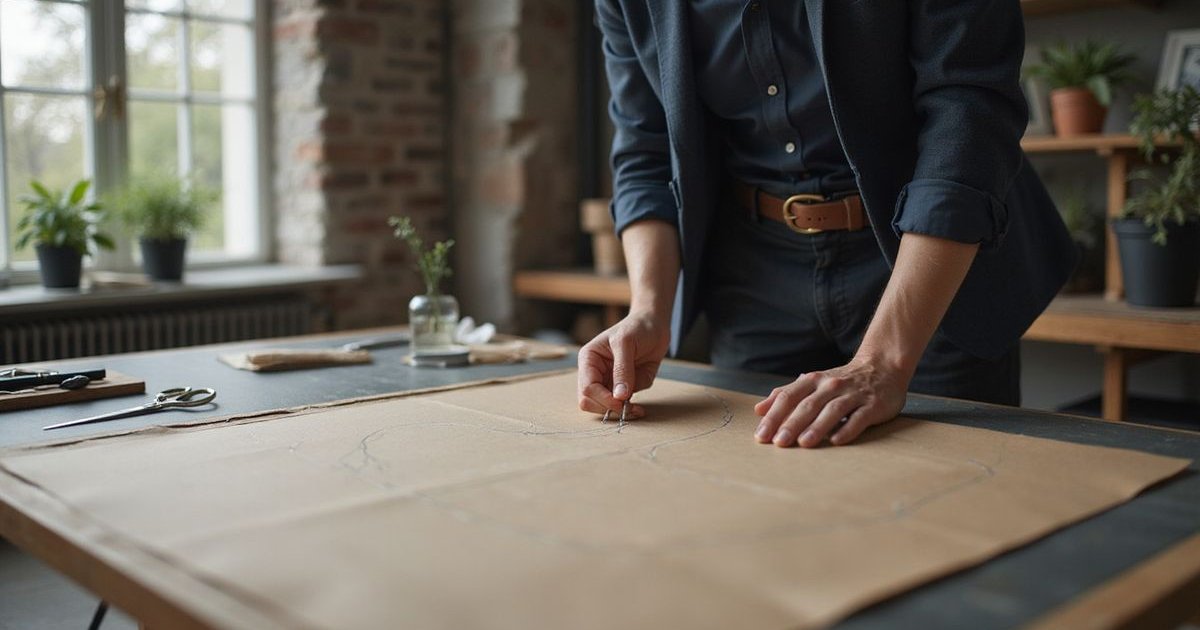
Patterns on file. When we build a bespoke suit, your unique paper pattern stays in our archive. If your body changes meaningfully, we can adapt the pattern rather than starting from scratch.
Generous inlays. Every commission we deliver has substantial cloth left in the seams. This is a deliberate choice. Bodies change. A suit built today should still be alterable in five years.
Premium worsted cloth. High-quality wools from Holland & Sherry, Loro Piana, and Vitale Barberis Canonico steam and press beautifully. They hide alteration marks far better than cheaper fabrics, and they recover from stress.
Continuity of relationship. We track your fit history. Knowing how your posture has shifted over the years helps us make micro-adjustments that a stranger at a high-street alteration counter cannot.
When Replacement Is the Smarter Decision
Sometimes the honest answer is to retire the garment. We use a simple rule.
| Scenario | Verdict |
|---|---|
| Alterations cost less than 25 percent of replacement value | Always alter |
| Alterations cost 25 to 50 percent of replacement value | Alter if you love it and it will get worn |
| Alterations cost over 50 percent of replacement value | Replace, with rare exceptions for irreplaceable cloth or sentimental garments |
There are also three scenarios where we will quietly recommend you do not alter even when the maths technically works.
Your weight is still moving. Wait until you have held a stable weight for at least three months. Altering a waistband twice in a year stresses the cloth and weakens the seams permanently.
The result will not satisfy you. Confidence is the entire point of a properly fitted suit. If you will be checking and adjusting all day, the alteration has failed regardless of the technical outcome.
You no longer like the cut. Alterations change fit, not aesthetic. If you have moved on from a wider lapel or a longer jacket, the work will not bring back your enthusiasm.
What Happens at the Bench
Bring your weight-changed suits to us and we will run a complete alterations diagnostic in real light at the studio.
- Lining inspection to check available inlays and seam allowances.
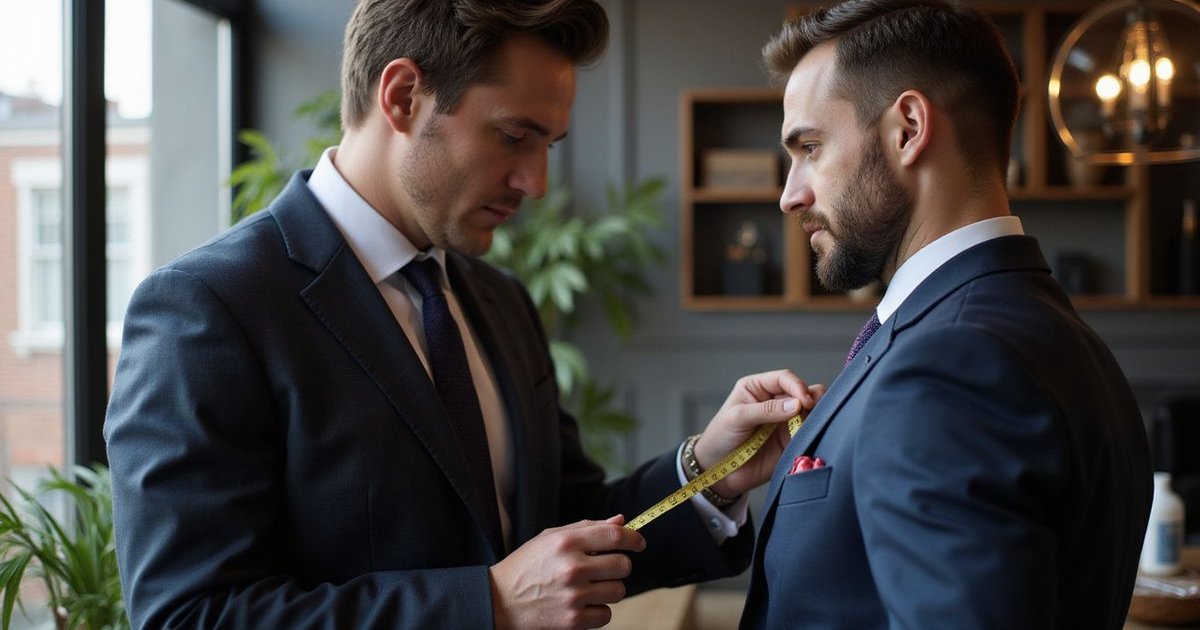
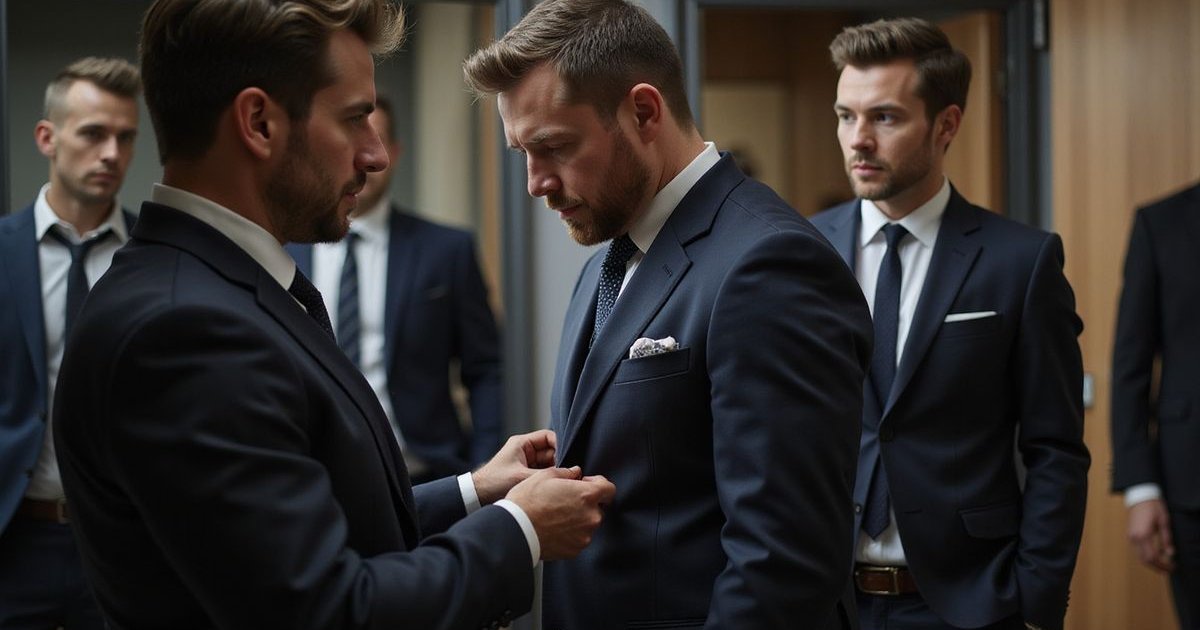
- Live fitting where you wear the garment and we pin the actual problem areas on your body.
- Feasibility conversation where we walk you through the trade-offs honestly.
- Written quote in ringgit, line by line, before any thread is cut.
- The honest verdict on whether the work is worth doing, including the option to walk away.
Visit our Bukit Bintang studio at Sungei Wang Plaza for a proper assessment. We will tell you the truth about your wardrobe, even when the truth is “this one has done its job, let it go.”
Vincent Cheah
Master tailor with Savile Row Academy training. Vincent brings over a decade of bespoke craftsmanship to every garment.