How a Suit Should Actually Fit: A Kuala Lumpur Bench Tailor's Checklist
From shoulder seams to trouser break, the precise fit checkpoints we use at the bench in Kuala Lumpur to separate a good suit from a great one.
A suit that fits properly does invisible work. It makes you look taller. It makes your shoulders look squarer. It makes your posture look more confident. Most importantly, it does all of that while you stop thinking about it. The fabric does the heavy lifting and lets you focus on the meeting, the negotiation, or the wedding speech.
A suit that fits poorly does the opposite. Every glance in a mirror is a quiet distraction. Every shoulder roll, every cuff tug, every collar adjustment is a small tax on your attention. By the time the day is over, you have spent more energy managing the garment than the garment has spent serving you.
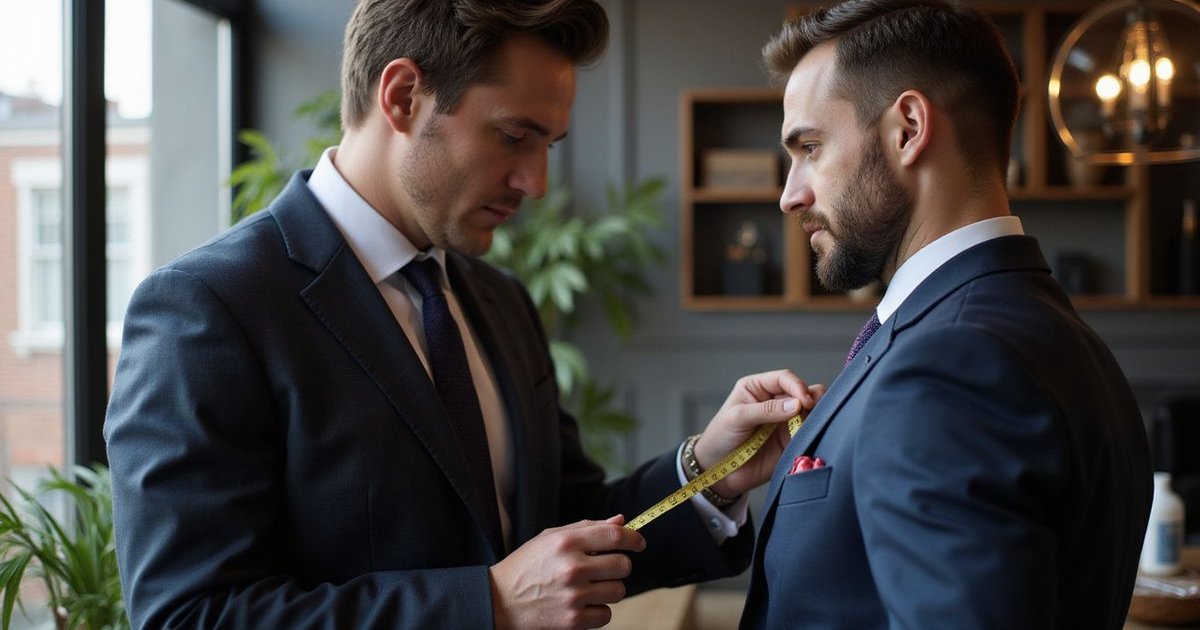
The difference between the two is not magic. It is twelve to fifteen specific checkpoints we use at the bench at ONE Exclusive Tailor every single day. Here is the full working list, organised in the order we actually inspect a garment during a fitting at the Sungei Wang studio.
A Note on Kuala Lumpur Conditions Before We Begin
Most fit guides written for Western audiences assume temperate weather, dry indoor air, and a wardrobe that lives in a climate-controlled room. None of those things describe Kuala Lumpur.
Our humidity, our sun exposure, and the daily transition between aircond office towers and outdoor heat all affect how a jacket behaves on the body. A “perfect” fit by London standards may be subtly wrong here. We adjust for this in every commission, and you should account for it when judging your own existing wardrobe.
Shoulders First, Always
The shoulder is the structural foundation of the entire jacket. Get it wrong and nothing below it can be rescued.
The seam position. It should sit precisely at the bony point where your shoulder ends and your arm begins. Not extending down your arm, not climbing up your neck.
The lie of the cloth. The fabric between your neck and the shoulder seam must lie smooth and flat. Ripples, divots, or bunching here mean the shoulder pitch (the angle of the seam) does not match your posture.

The drape into the sleeve. Where the sleeve head meets the shoulder, look for unintended creases or dimples. These almost always indicate that the armhole shape does not match the natural resting angle of your arm. Common issue for clients who spend hours driving the Federal Highway with their hands on the wheel.
Why this matters more than anything else. Shoulder structure is the single hardest area to alter after a suit has been made. We can take in waists and shorten sleeves, but a poor shoulder fit usually requires rebuilding the jacket. Always prioritise shoulders when buying or commissioning anything.
The Collar and the Back of the Neck
Run your finger along the back of your neck where it meets the jacket collar. The two should rest gently against each other, hugging without pressing.
The half-centimetre rule. Approximately half a centimetre of shirt collar should show above the jacket collar all the way around.
The collar gap problem. A visible space between the back of your neck and the jacket collar is a major construction failure. It usually means the jacket pattern was drafted for upright posture but you stand with a slight forward head, common in desk-bound professionals across KL Sentral and Tun Razak Exchange.
The roll. The collar should roll smoothly from the lapel into the back of the neck. Any puckering or lifting suggests poor canvassing or a posture mismatch.
Chest, Torso, and the Famous “X” Test
When the jacket is buttoned, you should be able to slip your flat hand between the front of the jacket and your chest without strain. You should not be able to pull the jacket more than three or four centimetres away from your body.
The “X” failure. If you see horizontal lines radiating outward from the buttoning point, the jacket is too tight. The cloth is fighting your chest. This is one of the most common defects we see in off-the-rack jackets bought from Bukit Bintang luxury stores.
Excess swing. The opposite failure: too much loose cloth at the front, with the jacket hanging away from the body. The jacket is oversized.
Button stance. On a two-button suit, the top button should sit roughly at the natural waist, two to three centimetres above the navel. This position is what creates the visual proportions that lengthen the torso and balance the silhouette. A button placed too low makes you look short. Too high makes you look stunted.
The Back
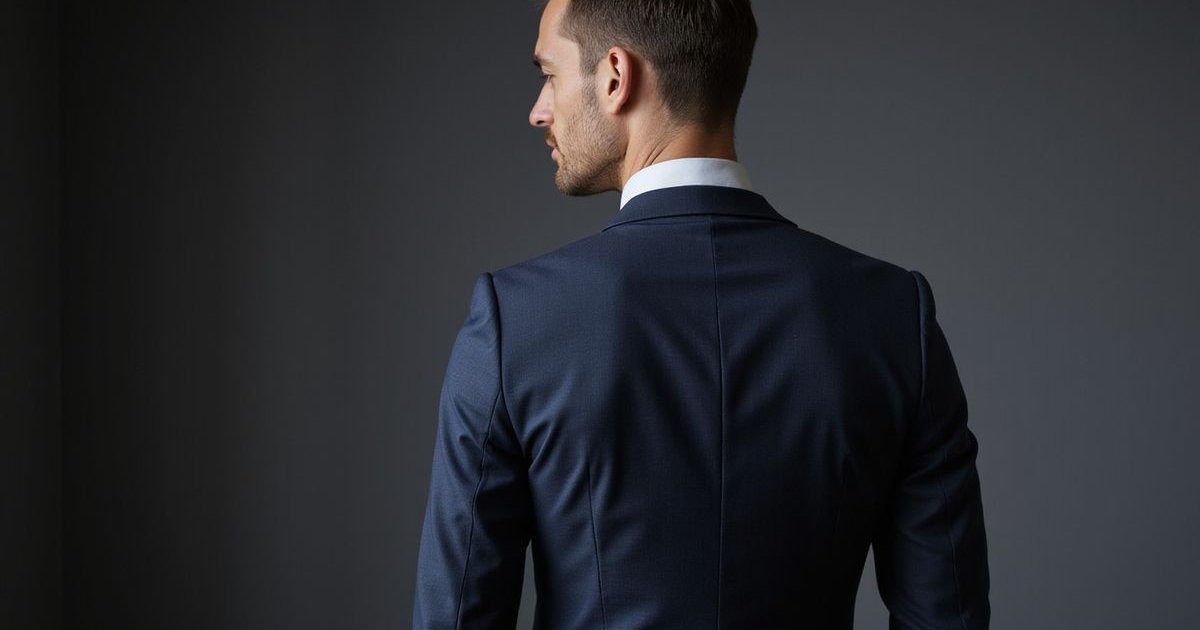
Take a three-way mirror view from behind. You are looking for a clean drape with no horizontal ripples and no vertical folds.
Vent behaviour. Double vents should rest flat when you stand with your arms at your sides. If they pull open and reveal the trousers, the jacket is too tight through the seat. This is extremely common in clients with athletic legs and is often misdiagnosed as a “small size.”
The yoke area. Across the upper back, the cloth should sit smoothly without any bunching or pulling at the seam.
Jacket Length
Classic tailoring says the jacket should cover the curve of your seat. The hem should fall roughly where your thumb knuckle sits when your arms hang naturally.
Modern proportion drift. Recent years have seen jackets get progressively shorter, particularly in the boutiques of Bangsar South. Going too short looks amateurish and breaks the visual balance of the silhouette. We push back gently when clients ask for jackets that we think will date quickly.
Height-specific adjustments. Taller clients often need slightly longer jackets to maintain leg-line balance. Shorter clients benefit from a marginally shorter cut to maximise the visual length of their legs.
Sleeves
Length. With your arms hanging naturally, the sleeve should end at the wrist bone, allowing about half a centimetre of shirt cuff to show beneath.
The handshake test. Reach forward as if shaking someone’s hand. The sleeve should taper cleanly without binding the forearm or riding up dramatically.
Sleeve pitch. The angle at which the sleeve emerges from the shoulder must match the natural angle at which your arm hangs. Most people have a slight forward arm pitch from desk work, and the sleeve must rotate to accommodate this. Otherwise the cloth twists and creases at rest.
Trousers: The Half That Most People Ignore
Many men obsess over the jacket and tolerate poor trouser fit. The result is a top half that says “professional” and a bottom half that undermines the message.
Waist position. Dress trousers belong at the natural waist, near the navel. This is significantly higher than where modern jeans sit. Wearing dress trousers low on the hips causes sagging in the seat and a permanently rumpled appearance.
Seat and thigh fit. The cloth should follow the line of your body without gripping. You need enough room to sit comfortably in a meeting without splitting a seam, but not so much that the trousers balloon.
Rise. A higher rise creates a longer leg-line and looks more professional under a jacket. Lower rises tend to look casual.

The Trouser Break
The “break” is the point where the trouser hem meets the shoe.
No break. The hem just kisses the top of the shoe. Modern, clean, popular in creative industries and tech.
Half break. A small soft fold appears where the cloth meets the shoe. The safest, most universally professional choice. We recommend this for almost all corporate Kuala Lumpur clients.
Full break. A pronounced fold of cloth rests on the shoe. Traditional but easily looks sloppy if the trouser leg is too wide.
In the high humidity of KL, we tend to favour a slightly cleaner, slimmer leg with a half break. It looks crisp throughout the day and survives the inevitable mid-afternoon walk between car park and office without dragging.
What to Do When the Fit Isn’t Working
If your existing wardrobe fails several of these checkpoints, you have three real paths forward.
Targeted Alterations
A skilled tailor can refine an existing garment significantly. We routinely adjust waists, sleeve lengths, trouser rises, and minor balance issues. What we cannot easily do is rebuild shoulders or change the jacket length without disrupting the entire button stance.
Made-to-Measure
A reasonable middle path. You start from a standard block and customise within tolerances. Works well if your proportions are close to average.
Full Bespoke
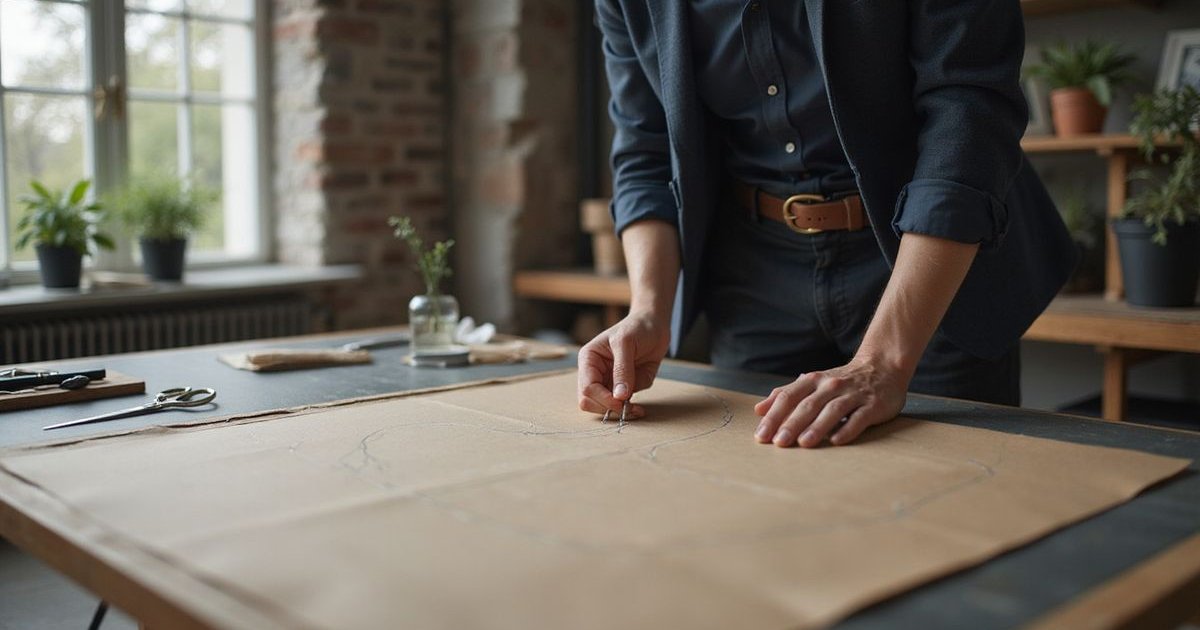
A bespoke suit is built from a completely unique paper pattern, and every angle, slope, and asymmetry of your body is accounted for. This is the only path that handles severe fit challenges and the only path that gives you full control over cloth selection for the Kuala Lumpur climate.
When the Fit Disappears, the Suit Has Done Its Job
The ultimate measure of a great suit is that you forget you are wearing it. No tightness in the shoulders, no pulling at the waist, no slipping waistband, no riding sleeves. The garment becomes invisible to you, which means it can finally do its real job: making you look as confident and competent as you actually are.
If your current wardrobe is failing these tests, come and see us at the Sungei Wang studio. We will assess what is possible with your existing garments through alterations and discuss what a full commission would look like. Either way, you will leave with a clearer picture of what fit can actually do for the way you present yourself in the Klang Valley.
Vincent Cheah
Master tailor with Savile Row Academy training. Vincent brings over a decade of bespoke craftsmanship to every garment.